
The ED’s CMRL–Exalogic ‘probe’: Why Pinarayi Vijayan and Mohammed Riyas deserve solidarity
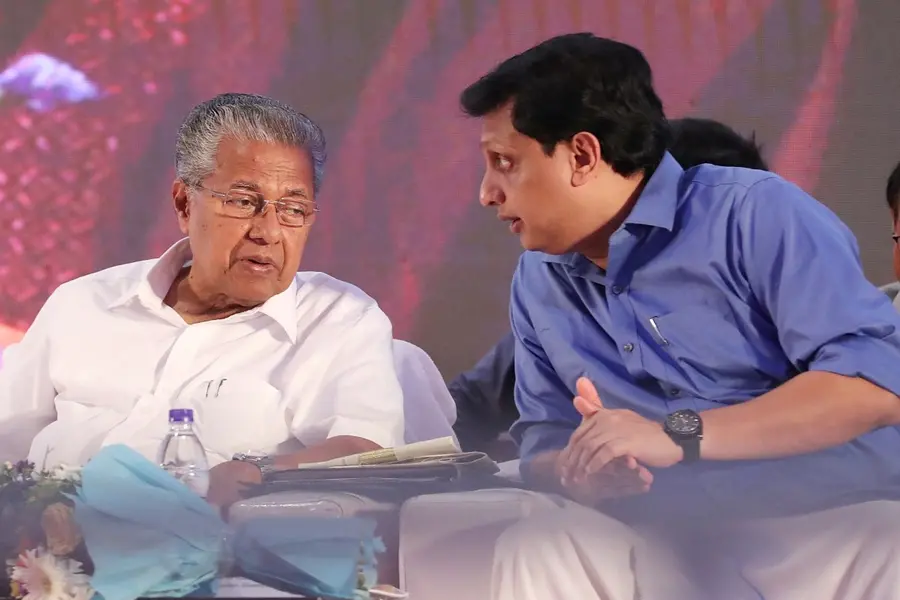
A Kerala lawyer explains why political opposition to Pinarayi Vijayan and Mohammed Riyas cannot justify selective investigation, prolonged coercion or the denial of due process in the CMRL–Exalogic case.

The continuing investigation by the Enforcement Directorate (ED) into the CMRL-Exalogic Solutions case in which former Kerala chief minister and CPI(M) Pinarayi Vijayan's daughter T Veena was questioned is not merely a matter concerning one company, one transaction or one political family. It raises larger questions about the manner in which State power is exercised, the limits of investigative authority, proportionality in the use of coercive powers, constitutional safeguards, selective investigation and, above all, the protection of the Rule of Law.
Let me make one thing clear at the outset. I have serious political criticisms of Pinarayi Vijayan and Mohammed Riyas. I do not agree with many of their political positions and policies. I do not believe that political leaders should be exempt from investigation. Allegations of corruption, money laundering or any other offence must be investigated, and if guilt is established, the law must take its course.
But the same principle applies to investigative agencies. An investigative agency is also bound by law. The fact that an agency is exercising statutory powers does not mean that the exercise of those powers is beyond public scrutiny.
The question of investigation without an FIR
The Kerala High Court judgment dated 5 June 2026 in the CMRL–Exalogic matter is important in this context. The Division Bench held that the non-registration of an FIR, or the non-filing of a complaint, in respect of a Scheduled Offence would not, by itself, prevent the ED from undertaking an inquiry or certain civil actions under the PMLA. The Court also explained that prosecution is the penal limb of the statute and follows when the inquiry or investigation produces sufficient material. Therefore, although it raises serious constitutional questions, it would not be legally accurate to say that every ED proceeding without a prior FIR is unlawful. But that does not resolve the constitutional and democratic questions.
What exactly is the Predicate Offence in a particular investigation? What are the alleged Proceeds of Crime? What is the Money Trail? What objective material justifies focusing the extraordinary machinery of the PMLA on particular persons and transactions? The power to inquire is one question. The existence of a legally sustainable criminal foundation is another.
The recent Delhi High Court judgment in the NewsClick matter is relevant here. On 29 May 2026, the Court quashed the underlying FIR and the consequential ECIR after finding that the necessary ingredients of the alleged offences were not disclosed. The Court reiterated the principle that once the Predicate Offence disappears, the PMLA proceedings based upon it cannot survive independently. The lesson is not that an FIR must precede every form of ED inquiry. The lesson is that coercive criminal proceedings must ultimately have a legally sustainable foundation. The question we should therefore ask is whether we are becoming too comfortable with a system in which a person can remain under investigation for years, even at a stage when judicial scrutiny of the underlying criminal offence may itself be difficult. That possibility deserves much greater public attention.
Is the system becoming “target first, investigate later”?
The most disturbing concern is the growing perception that an individual may sometimes be identified as a target first, and that the investigation into that person and their transactions may then be developed around the target.
That reverses the ordinary logic of the Rule of Law.
The normal process should be: information, allegation, identification of an offence, investigation, collection of evidence and, where justified, prosecution. It should not become: target, investigation, search, summons, media publicity and then a search for an offence. An investigative agency should not first decide whom it wants to investigate and then determine what offence can be constructed around that person or their transactions. The credibility of an investigative institution depends upon the investigation being evidence-driven rather than target-driven.
Investigation must not become punishment
The PMLA gives the ED substantial powers. Searches, summonses, seizures, attachments and prolonged questioning can seriously affect a person’s dignity, reputation, business, property and financial affairs.
That is why investigation itself must not become punishment.
A person may ultimately be found innocent, but by then, their reputation may have suffered, their business may have been disrupted and their assets may have remained under attachment for years. The fact that a case is eventually decided in favour of the State does not automatically answer the question of whether the process before trial was proportionate and fair.
The amount involved and the question of proportionality
Public discussions around the CMRL–Exalogic matter have referred to allegations involving figures ranging from approximately ₹1.72 crore to ₹2.78 crore, depending on the transaction or allegation being referred to. No one can seriously argue that an allegation should not be investigated merely because the amount is small. Even a small amount can constitute part of an offence.
The issue, however, is proportionality.
Why is this particular matter receiving such extraordinary institutional attention and investigative intensity? Are the same standards of urgency being applied to other major and politically sensitive financial matters?
The Kodakara hawala case provides an obvious example for comparison. The case concerned the theft of approximately ₹3.56 crore in April 2021, shortly before the Kerala Assembly election. The Kerala Police investigation had alleged a political connection, while the ED’s subsequent prosecution complaint did not establish such a political connection and treated the matter as a different form of financial offence.
The point is not that the ED was required to accept the police theory. The point is that the public has every right to ask whether politically sensitive financial cases are being treated with the same urgency, seriousness and institutional intensity.
That is a legitimate democratic question about selectivity.
Is the ED’s conviction rate the whole story?
The ED frequently highlights a conviction rate of 93.33%. That figure deserves to be understood in its proper context. According to the ED’s own statistics as of 31 March 2026, there were 8,851 ECIRs, 2,396 prosecution complaints, 466 cases in which charges had been framed, and only 60 PMLA cases in which trials had been completed. Of those 60 completed trials, 56 resulted in conviction and four in acquittal. The 93.33% figure is derived from those 60 completed trials.
So, the important question is: 93.33% of what? It is not 93.33% of the 8,851 ECIRs. It is not 93.33% of the 2,396 prosecution complaints.
It is the conviction percentage among the relatively small number of cases in which trials have actually been completed.
That naturally leads to much more important questions.
How many investigations remain pending for years?
How many cases are closed without prosecution?
How many prosecution complaints never reach a final trial?
How many persons remain under investigation for long periods?
How many properties remain attached for years?
How many businesses are affected before a final finding of guilt?
How much economic and personal damage is caused during the years before a case reaches a judicial conclusion?
An investigative agency should not be assessed merely by the number of convictions obtained in completed trials. The duration, quality, legality and ultimate outcome of the entire investigative process also matter.
Long-pending cases and the absence of closure
A powerful investigative agency must have not only the power to investigate but also an institutional responsibility to bring investigations to a reasonable conclusion. Keeping a person under investigation for five, seven or ten years cannot be treated as an ordinary administrative inconvenience. A person who has not been convicted cannot be expected to live indefinitely under the shadow of an unresolved investigation. The same applies to businesses whose financial operations and reputations may be affected for years.
An investigation cannot become an indefinite process. There must ultimately be a meaningful choice between prosecution and closure. If there is sufficient evidence, the case should proceed. If there is not, the investigation should end.
Investigate, prosecute or close.
That should be the basic discipline of a democratic investigative system.
What about inquiries before a formal ECIR?
The CMRL judgment makes this issue even more important because the Court has recognised that, in the circumstances contemplated by the PMLA, certain inquiry powers may be exercised without a prior FIR for a Scheduled Offence.
This raises another question.
How many preliminary inquiries are undertaken before a formal ECIR?
How many transactions are examined?
How many persons are asked to provide documents?
How many preliminary inquiries ultimately become ECIRs?
How many are closed without prosecution?
These figures matter because the official ECIR statistics may not capture every person or business that has come under preliminary scrutiny.
The public should therefore demand greater transparency about preliminary inquiries as well as formal cases.
An inquiry should not become a mechanism for placing a person or business under indefinite investigative pressure.
Why is investigative information reaching the media?
Another serious concern is the repeated appearance of alleged investigative information in the media. There have been media reports that Mohammed Riyas was contacted by the ED over the telephone without a formal notice. If that report is correct, there is a very basic legal question that deserves an answer:
Under which statutory provision can the ED require or call upon a person to participate in an investigation merely through a telephone call, without issuing a formal notice?
If the ED has such authority in the circumstances of the case, the legal basis should be clearly stated.
There is an equally important question for the media.
When a journalist reports that the ED has “called” a particular person, the first questions should be whether a written notice was issued, under which provision it was issued, what was demanded and whether the person was legally required to comply. Journalism cannot be reduced to reproducing the version of an investigative agency. The media has a responsibility to question the State as rigorously as it questions the person under investigation.
Has the ED become a political tool?
Across India, a strong public perception has developed that the ED is used selectively against political opponents of the ruling establishment. When such a perception becomes widespread, it creates a serious institutional problem. An “independent investigative agency” must not only be independent. It must also be seen to act independently and impartially.
The Ahmed Buhari–Coastal Energen matter also deserves examination in this wider context.
Public reporting states that businessman Ahmed Buhari came under investigation in connection with allegations concerning Coastal Energen, was arrested by the ED in 2022 and spent approximately 31 months in custody before obtaining bail. In April 2026, proceedings under the PMLA were dropped after the underlying criminal case had been extinguished. During this period, Coastal Energen entered insolvency proceedings and was acquired in 2024 by a consortium involving Dickey Alternative Investment Trust and Adani Power. This does raise a serious institutional question: What happens to a business when prolonged coercive proceedings become commercially destructive before the criminal allegations are finally sustained in court?
That question cannot simply be dismissed.
The silence of the business community
There is also growing private concern among sections of the business community in Kerala, particularly in Malabar, regarding central-agency investigations. But a businessman may not always be in a position to publicly challenge a powerful investigative agency. His bank accounts, financial transactions, employees, commercial relationships and future business activities may all be vulnerable to the consequences of prolonged scrutiny. A healthy democracy requires a business community that can question the exercise of State power without living in fear of investigative retaliation.
We condemned the attack on ED officials. We must also question abuse of power
The reported attack on and obstruction of ED officials in Thiruvananthapuram should be condemned unequivocally. No political disagreement justifies violence against public officials performing a statutory function. But condemning violence against ED officers does not require silence about the possible misuse of investigative power.
Physical violence is wrong. Institutional abuse of power is also wrong. The safety and dignity of ED officials must be protected. At the same time, the constitutional rights and dignity of those subjected to investigation must also be protected. These are not contradictory positions. Both are part of the Rule of Law.
Corruption allegations must not become a political weapon
Corruption allegations have long been powerful political weapons in India. We have seen this in cases involving leaders across the political spectrum, including Lalu Prasad Yadav and Arvind Kejriwal. Whether any individual is actually guilty is ultimately a question of evidence and judicial determination.
Political allegations cannot themselves become proof of guilt. At the same time, political office cannot provide immunity from investigation. The principle must therefore work equally in both directions: investigate where there is material, but protect due process regardless of the political identity of the person being investigated.
Even if the allegations are assumed to be true
Let us assume, purely for the sake of argument, that the serious allegations being discussed against Mr. Pinarayi Vijayan or members of his family ultimately turn out to be true.
Would that make abuse of process acceptable?
Would selective investigation become acceptable?
Would disproportionate coercive action become acceptable?
Would the selective leaking of investigative information to the media become acceptable?
Would an investigation continuing for years without closure become acceptable?
The answer is no.
The seriousness of an allegation does not reduce the importance of due process. It makes due process even more important. That is the essence of a constitutional democracy.
Kerala must remain vigilant
The legal position emerging from the CMRL judgment may make ED inquiries without a prior FIR a more familiar feature of financial investigations in Kerala. That is precisely why democratic vigilance must become stronger.
Unfortunately, our political loyalties often determine our constitutional principles. When the ED investigates our political opponents, we celebrate. When the same power is eventually used against someone from our own political camp, we rediscover the Rule of Law.
That is not democratic vigilance. That is political convenience.
Kerala has a long and proud tradition of political dissent, constitutional debate and resistance to arbitrary State power.
We should not lose that tradition because of local political rivalries. If investigative agencies come to be seen as selective, if investigative information reaches the media selectively, if businesses remain silent out of fear, and if citizens defend coercive State action merely because it affects their political opponents, the consequences will go far beyond the present controversy.
It can weaken Kerala’s traditional democratic and secular political space and may ultimately create political advantages for Hindutva forces that have historically sought to expand by weakening such political resistance. This is therefore not merely a question about Pinarayi Vijayan or Mohammed Riyas. It is a question about the democratic culture of Kerala.
I have serious political criticisms of Pinarayi Vijayan and Mohammed Riyas. I disagree with many of their political positions. But constitutional rights are not privileges reserved for people whom we like. They belong equally to people whom we oppose.
That is why I believe it is time to extend solidarity to them. Not because they are above the law. Not because they are necessarily innocent. Not because the investigation should be stopped. But because political opposition cannot become a justification for denying a person due process and the protection of the law.
The real issue is the Rule of Law
The ED should investigate. The CBI should investigate. The SFIO should investigate.
The Income Tax Department should investigate. The Kerala Police should investigate.
Genuine allegations must be examined. Evidence must be collected. Where the evidence justifies prosecution, prosecution should follow. Where a court finds guilt, punishment should follow.
But all of this must happen according to law, on the basis of objective material, without political preference, without selective media disclosures, without disproportionate coercion and without indefinitely prolonged investigations.
The real question is not merely whether Pinarayi Vijayan, Mohammed Riyas, Veena Vijayan or anyone else is guilty.
The larger question is this:
Do we want a State in which guilt is established through evidence, lawful investigation and judicial process, or a State in which political targeting itself becomes the beginning of a criminal process?
Investigate everyone. Prosecute where the evidence warrants it. Convict where the court finds guilt. But never allow the Rule of Law to change according to the political identity of the person being investigated.
Today, defending the due process rights of someone we oppose may be politically inconvenient. Tomorrow, that same principle may be the only protection available to us.
Adv Ameen Hassan is a Kerala High Court practising advocate and Lead Attorney at Juris Vox, with a keen interest in law, public affairs, and politics.
ചുവടെ നൽകിയിരിക്കുന്ന ലേഖനത്തിന്റെ മലയാള പരിഭാഷ:
അഭിപ്രായം
ഇ.ഡി.യുടെ CMRL-എക്സാലോജിക് 'അന്വേഷണം': പിണറായി വിജയനും മുഹമ്മദ് റിയാസിനും എന്തുകൊണ്ട് പിന്തുണ നൽകണം
പ്രസിദ്ധീകരിച്ചത്: 24 ഓഗസ്റ്റ് 2026
സി.എം.ആർ.എൽ-എക്സാലോജിക് കേസിൽ പിണറായി വിജയനോടും മുഹമ്മദ് റിയാസിനോടുമുള്ള രാഷ്ട്രീയ എതിർപ്പ്, സെലക്ടീവായ (തിരഞ്ഞെടുത്തുള്ള) അന്വേഷണത്തിനോ, നീണ്ടുനിൽക്കുന്ന ബലപ്രയോഗങ്ങൾക്കോ, സ്വാഭാവിക നീതിയുടെ (Due Process) നിഷേധത്തിനോ ഉള്ള ന്യായീകരണമല്ലെന്ന് കേരള ഹൈക്കോടതിയിലെ ഒരു അഭിഭാഷകൻ വിശദീകരിക്കുന്നു.
അഡ്വ. അമീൻ ഹസ്സൻ
മുൻ കേരള മുഖ്യമന്ത്രിയും സി.പി.ഐ.(എം) നേതാവുമായ പിണറായി വിജയന്റെ മകൾ ടി. വീണയെ ചോദ്യം ചെയ്ത CMRL-എക്സാലോജിക് സൊല്യൂഷൻസ് കേസിൽ എൻഫോഴ്സ്മെന്റ് ഡയറക്ടറേറ്റ് (ED) നടത്തുന്ന തുടർച്ചയായ അന്വേഷണം ഒരു കമ്പനിയെയോ, ഒരു സാമ്പത്തിക ഇടപാടിനെയോ, ഒരു രാഷ്ട്രീയ കുടുംബത്തെയോ മാത്രം ബാധിക്കുന്ന ഒന്നല്ല. ഭരണകൂട അധികാരം എങ്ങനെ പ്രയോഗിക്കപ്പെടുന്നു, അന്വേഷണ ഏജൻസികളുടെ അധികാര പരിധികൾ, നിബന്ധനകൾ ചുമത്തുന്നതിലെ ആനുപാതികത, ഭരണഘടനാപരമായ സംരക്ഷണങ്ങൾ, സെലക്ടീവായ അന്വേഷണം, സകലത്തിനും ഉപരിയായി നിയമവാഴ്ചയുടെ (Rule of Law) സംരക്ഷണം തുടങ്ങിയ വലിയ ചോദ്യങ്ങളാണ് ഇത് ഉയർത്തുന്നത്.
തുടക്കത്തിൽ തന്നെ ഒരു കാര്യം ഞാൻ വ്യക്തമാക്കാം. പിണറായി വിജയനോടും മുഹമ്മദ് റിയാസിനോടും എനിക്ക് ശക്തമായ രാഷ്ട്രീയ വിമർശനങ്ങളുണ്ട്. അവരുടെ പല രാഷ്ട്രീയ നിലപാടുകളോടും നയങ്ങളോടും ഞാൻ യോജിക്കുന്നില്ല. രാഷ്ട്രീയ നേതാക്കൾക്ക് അന്വേഷണങ്ങളിൽ നിന്ന് ഇളവ് ലഭിക്കണമെന്ന് ഞാൻ വിശ്വസിക്കുന്നുമില്ല. അഴിമതി, കള്ളപ്പണം വെളുപ്പിക്കൽ അല്ലെങ്കിൽ മറ്റെന്തെങ്കിലും കുറ്റകൃത്യങ്ങളെക്കുറിച്ചുള്ള ആരോപണങ്ങൾ അന്വേഷിക്കപ്പെടണം; കുറ്റം തെളിയിക്കപ്പെട്ടാൽ നിയമം അതിന്റെ വഴിക്ക് പോകണം.
എന്നാൽ ഇതേ തത്വം അന്വേഷണ ഏജൻസികൾക്കും ബാധകമാണ്. ഒരു അന്വേഷണ ഏജൻസിയും നിയമത്തിന് വിധേയമാണ്. ഒരു ഏജൻസിക്ക് നിയമപരമായ അധികാരങ്ങൾ ഉണ്ടെന്നതുകൊണ്ട് മാത്രം ആ അധികാരങ്ങളുടെ വിനിയോഗം പൊതുജനപരിശോധനയ്ക്ക് അതീതമാകുന്നില്ല.
എഫ്.ഐ.ആർ ഇല്ലാതെ അന്വേഷണം നടത്തുന്നതിലെ ചോദ്യം
CMRL-എക്സാലോജിക് വിഷയത്തിൽ 2026 ജൂൺ 5-ലെ കേരള ഹൈക്കോടതി ഡിവിഷൻ ബെഞ്ചിന്റെ വിധി ഈ സന്ദർഭത്തിൽ പ്രധാനമാണ്. ഒരു ഷെഡ്യൂൾഡ് കുറ്റകൃത്യത്തിൽ (Scheduled Offence) എഫ്.ഐ.ആർ രജിസ്റ്റർ செய்யാതിരിക്കുകയോ പരാതി നൽകാതിരിക്കുകയോ ചെയ്യുന്നത് കൊണ്ട് മാത്രം പി.എം.എൽ.എ (PMLA) പ്രകാരം അന്വേഷണം നടത്തുന്നതിൽ നിന്നോ ചില സിവിൽ നടപടികളിൽ നിന്നോ ഇ.ഡി.യെ തടയാനാകില്ലെന്ന് ഡിവിഷൻ ബെഞ്ച് വ്യക്തമാക്കി. അന്വേഷണത്തിലൂടെ ആവശ്യത്തിന് തെളിവുകൾ ലഭിക്കുമ്പോഴാണ് ശിക്ഷാ നടപടികളിലേക്ക് കടക്കുന്നതെന്നും കോടതി വിശദീകരിച്ചു. അതിനാൽ, ഗൗരവമേറിയ ഭരണഘടനാ ചോദ്യങ്ങൾ ഉയർത്തുന്നുണ്ടെങ്കിലും, മുൻകൂട്ടി എഫ്.ഐ.ആർ ഇല്ലാതെ നടക്കുന്ന എല്ലാ ഇ.ഡി അന്വേഷണങ്ങളും നിയമവിരുദ്ധമാണെന്ന് പറയുന്നത് നിയമപരമായി ശരിയാവില്ല. എന്നാൽ ഇത് ഭരണഘടനാപരവും ജനാധിപത്യപരവുമായ ചോദ്യങ്ങളെ പരിഹരിക്കുന്നില്ല.
ഒരു പ്രത്യേക അന്വേഷണത്തിൽ യഥാർത്ഥത്തിൽ ആരോപിക്കപ്പെടുന്ന അടിസ്ഥാന കുറ്റകൃത്യം (Predicate Offence) എന്താണ്? കുറ്റകൃത്യത്തിലൂടെ ഉണ്ടാക്കിയതായി ആരോപിക്കപ്പെടുന്ന സമ്പാദ്യം (Proceeds of Crime) എന്താണ്? പണത്തിന്റെ വഴി (Money Trail) ഏതാണ്? പി.എം.എൽ.എയുടെ അസാധാരണമായ അധികാരങ്ങൾ 특정 വ്യക്തികളിലേക്കും ഇടപാടുകളിലേക്കും കേന്ദ്രീകരിക്കുന്നതിന് ന്യായീകരണമായ വസ്തുതാപരമായ വിവരങ്ങൾ എന്തൊക്കെയാണ്? അന്വേഷിക്കാനുള്ള അധികാരം ഒരു ചോദ്യമാണ്. എന്നാൽ നിയമപരമായി നിലനിൽക്കുന്ന ഒരു ക്രിമിനൽ അടിസ്ഥാനം ഉണ്ടോ എന്നത് മറ്റൊരു ചോദ്യമാണ്.
അടുത്തിടെ ന്യൂസ്ക്ലിക്ക് (NewsClick) വിഷയത്തിൽ ഡൽഹി ഹൈക്കോടതി നൽകിയ വിധി ഇവിടെ പ്രസക്തമാണ്. 2026 മേയ് 29-ന്, ആരോപിക്കപ്പെട്ട കുറ്റകൃത്യങ്ങളുടെ അടിസ്ഥാന ഘടകങ്ങൾ വെളിപ്പെട്ടിട്ടില്ലെന്ന് കണ്ടതിനെ തുടർന്ന് കോടതി അടിസ്ഥാന എഫ്.ഐ.ആറും അതിനെത്തുടർന്നുള്ള ഇ.സി.ഐ.ആറും (ECIR) റദ്ദാക്കി. അടിസ്ഥാന കുറ്റകൃത്യം ഇല്ലാതാകുന്നതോടെ അതിനെ അടിസ്ഥാനമാക്കിയുള്ള പി.എം.എൽ.എ നടപടികൾക്ക് സ്വതന്ത്രമായി നിലനിൽക്കാനാവില്ലെന്ന തത്വം കോടതി ആവർത്തിച്ചു. എല്ലാത്തരം ഇ.ഡി അന്വേഷണങ്ങൾക്കും മുൻപ് എഫ്.ഐ.ആർ വേണമെന്നതല്ല ഇതിലെ പാഠം. മറിച്ച്, ശക്തമായ നടപടികളിലേക്ക് കടക്കുന്ന ക്രിമിനൽ കേസുകൾക്ക് നിയമപരമായി നിലനിൽക്കുന്ന ഒരു അടിത്തറ ഉണ്ടായിരിക്കണം എന്നതാണ്. അതിനാൽ, അടിസ്ഥാന കുറ്റകൃത്യത്തിന്റെ നിയമപരമായ പരിശോധന പോലും പ്രയാസകരമായ ഘട്ടത്തിൽ, ഒരാൾക്ക് വർഷങ്ങളോളം അന്വേഷണം നേരിടേണ്ടി വരുന്ന ഒരു സംവിധാനത്തോട് നാം പൊരുത്തപ്പെടുകയാണോ എന്ന് നാം സ്വയം ചോദിക്കണം. ആ സാധ്യത കൂടുതൽ പൊതുശ്രദ്ധ അർഹിക്കുന്നുണ്ട്.
സംവിധാനം "ആദ്യം ലക്ഷ്യമിടുക, പിന്നീട് അന്വേഷിക്കുക" എന്നതിലേക്ക് മാറുകയാണോ?
ഏറ്റവും ആശങ്കാജനകമായ കാര്യം, ആദ്യം ഒരു വ്യക്തിയെ ലക്ഷ്യമിടുകയും, പിന്നീട് ആ വ്യക്തിയെയും അവരുടെ ഇടപാടുകളെയും കേന്ദ്രീകരിച്ച് അന്വേഷണം കെട്ടിപ്പടുക്കുകയും ചെയ്യുന്നു എന്ന പൊതുബോധം ശക്തമാകുന്നു എന്നതാണ്.
ഇത് നിയമവാഴ്ചയുടെ സാധാരണ യുക്തിയെ തലതിരിച്ചിടുന്നു.
സാധാരണ നടപടിക്രമം ഇങ്ങനെയായിരിക്കണം: വിവരം ലഭിക്കൽ, ആരോപണം, കുറ്റകൃത്യം തിരിച്ചറിയൽ, അന്വേഷണം, തെളിവ് ശേഖരണം, ന്യായമായ കേസാണെങ്കിൽ വിചാരണ. എന്നാൽ അത് ഇപ്രകാരമാകരുത്: ലക്ഷ്യമിടൽ, അന്വേഷണം, റെയ്ഡ്, സമ്മൻസ്, മാധ്യമ പ്രചാരണം, അതിനുശേഷം ഒരു കുറ്റം കണ്ടെത്താൻ ശ്രമിക്കൽ. ഒരു അന്വേഷണ ഏജൻസി ആദ്യം ആരെ അന്വേഷിക്കണമെന്ന് തീരുമാനിക്കുകയും, പിന്നീട് ആ വ്യക്തിക്കോ അവരുടെ ഇടപാടുകൾക്കോ ചുറ്റും ഒരു കുറ്റം നിർമ്മിച്ചെടുക്കാൻ ശ്രമിക്കുകയും ചെയ്യരുത്. ഒരു അന്വേഷണ ഏജൻസിയുടെ വിശ്വാസ്യത നിലനിൽക്കുന്നത് അത് വ്യക്തി കേന്ദ്രീകൃതമല്ല, മറിച്ച് തെളിവ് കേന്ദ്രീകൃതമാകുമ്പോഴാണ്.
അന്വേഷണം തന്നെ ഒരു ശിക്ഷയാകരുത്
പി.എം.എൽ.എ നിയമം ഇ.ഡി.ക്ക് വലിയ അധികാരങ്ങൾ നൽകുന്നുണ്ട്. റെയ്ഡുകൾ, സമ്മൻസുകൾ, പിടിച്ചെടുക്കലുകൾ, സ്വത്ത് കണ്ടുകെട്ടൽ, നീണ്ടുനിൽക്കുന്ന ചോദ്യം ചെയ്യലുകൾ എന്നിവ ഒരു വ്യക്തിയുടെ അന്തസ്സ്, പ്രശസ്തി, ബിസിനസ്സ്, സാമ്പത്തിക കാര്യങ്ങൾ എന്നിവയെ ഗുരുതരമായി ബാധിക്കും.
അതുകൊണ്ടാണ് അന്വേഷണം തന്നെ ഒരു ശിക്ഷയായി മാറരുത് എന്ന് പറയുന്നത്.
ഒരു വ്യക്തി ഒടുവിൽ നിരപരാധിയാണെന്ന് കണ്ടെത്തിയേക്കാം, എന്നാൽ അപ്പോഴേക്കും അവരുടെ പ്രശസ്തി നഷ്ടപ്പെടുകയും ബിസിനസ് തകരുകയും സ്വത്തുക്കൾ വർഷങ്ങളോളം കണ്ടുകെട്ടലിൽ തുടരുകയും ചെയ്തിട്ടുണ്ടാകും. ഒരു കേസ് ഒടുവിൽ ഭരണകൂടത്തിന് അനുകൂലമായി വിധിക്കപ്പെട്ടു എന്നത് വിചാരണയ്ക്ക് മുൻപുള്ള നടപടികൾ ന്യായവും നീതിയുക്തവുമായിരുന്നു എന്നതിന് ഉത്തരമാകുന്നില്ല.
ആരോപിക്കപ്പെടുന്ന തുകയും ആനുപാതികതയുടെ ചോദ്യവും
CMRL-എക്സാലോജിക് വിഷയത്തിലെ പൊതുചർച്ചകളിൽ, നടന്നു എന്ന് പറയപ്പെടുന്ന ഇടപാടുകളെ അടിസ്ഥാനമാക്കി ഏകദേശം ₹1.72 കോടി മുതൽ ₹2.78 കോടി വരെയുള്ള തുകകളെക്കുറിച്ചാണ് പരാമർശിക്കുന്നത്. തുക ചെറുതായതുകൊണ്ട് മാത്രം ഒരു ആരോപണം അന്വേഷിക്കേണ്ടതില്ലെന്ന് ആർക്കും വാദിക്കാനാവില്ല. ഒരു ചെറിയ തുക പോലും കുറ്റകൃത്യത്തിന്റെ ഭാഗമാകാം.
എന്നിരുന്നാലും, ഇവിടെ വിഷയം ആനുപാതികതയാണ് (Proportionality).
എന്തുകൊണ്ടാണ് ഈ പ്രത്യേക കേസിന് ഇത്രയധികം സ്ഥാപനപരമായ ശ്രദ്ധയും അന്വേഷണ തീവ്രതയും ലഭിക്കുന്നത്? രാഷ്ട്രീയമായി സംവേദനക്ഷമതയുള്ള മറ്റ് പ്രധാന സാമ്പത്തിക കേസുകളിലും ഇതേ അടിയന്തിരത പുലർത്തുന്നുണ്ടോ?
മെട്രോപൊളിറ്റൻ തുകയുടെ കാര്യത്തിൽ കൊടകര ഹവാല കേസ് ഇതിനൊരു ഉദാഹരണമാണ്. 2021 ഏപ്രിലിൽ കേരള നിയമസഭാ തെരഞ്ഞെടുപ്പിന് തൊട്ടുമുമ്പ് നടന്ന ഏകദേശം ₹3.56 കോടി രൂപയുടെ കവർച്ചയെക്കുറിച്ചായിരുന്നു ആ കേസ്. കേരള പോലീസിന്റെ അന്വേഷണത്തിൽ രാഷ്ട്രീയ ബന്ധങ്ങൾ ആരോപിക്കപ്പെട്ടിരുന്നുവെങ്കിലും, ഇ.ഡി.യുടെ വിചാരണ പരാതിയിൽ അത്തരം രാഷ്ട്രീയ ബന്ധങ്ങൾ സ്ഥാപിക്കാതെ അതിനെ മറ്റൊരു തരത്തിലുള്ള സാമ്പത്തിക കുറ്റകൃത്യമായി കാണിക്കുകയാണുണ്ടായത്.
പോലീസിന്റെ നിഗമനം ഇ.ഡി പൂർണ്ണമായി അംഗീകരിക്കണമെന്നതല്ല ഇതിലെ കാര്യം. രാഷ്ട്രീയ പ്രാധാന്യമുള്ള സാമ്പത്തിക കേസുകൾ ഇതേ അടിയന്തിരതയോടും ഗൗരവത്തോടും കൂടി കൈകാര്യം ചെയ്യപ്പെടുന്നുണ്ടോ എന്ന് ചോദിക്കാൻ പൊതുജനങ്ങൾക്ക് പൂർണ്ണ അവകാശമുണ്ട് എന്നതാണ്.
അത് സെലക്ടീവായ (തിരഞ്ഞെടുത്തുള്ള) സമീപനത്തെക്കുറിച്ചുള്ള ന്യായമായ ജനാധിപത്യപരമായ ചോദ്യമാണ്.
ഇ.ഡി.യുടെ ശിക്ഷാ നിരക്ക് (Conviction Rate) പൂർണ്ണ സത്യമാണോ?
ഇ.ഡി അടിക്കടി അവകാശപ്പെടാറുള്ള 93.33% ശിക്ഷാ നിരക്ക് അതിന്റെ ശരിയായ പശ്ചാത്തലത്തിൽ മനസ്സിലാക്കേണ്ടതുണ്ട്. 2026 മാർച്ച് 31 വരെയുള്ള ഇ.ഡി.യുടെ സ്വന്തം കണക്കുകൾ പ്രകാരം 8,851 ഇ.സി.ഐ.ആറുകൾ (ECIR), 2,396 പ്രോസിക്യൂഷൻ പരാതികൾ, കുറ്റം ചുമത്തപ്പെട്ട 466 കേസുകൾ എന്നിവ ഉണ്ടായിരുന്നുവെങ്കിലും 60 പി.എം.എൽ.എ കേസുകളിൽ മാത്രമാണ് വിചാരണ പൂർത്തിയായത്. ആ 60 കേസുകളിൽ 56 എണ്ണത്തിൽ ശിക്ഷ അനുഭവിക്കുകയും 4 എണ്ണത്തിൽ വെറുതെ വിടുകയും ചെയ്തു. വിചാരണ പൂർത്തിയായ ആ 60 കേസുകളിൽ നിന്നാണ് ഈ 93.33% എന്ന കണക്ക് ഉണ്ടാക്കിയത്.
അതുകൊണ്ട്, ഏറ്റവും പ്രധാനപ്പെട്ട ചോദ്യം ഇതാണ്: ഈ 93.33% എന്തിന്റെ ശതമാനമാണ്? ഇത് ആകെ രജിസ്റ്റർ ചെയ്ത 8,851 ഇ.സി.ഐ.ആറുകളുടെ 93.33% അല്ല. 2,396 പ്രോസിക്യൂഷൻ പരാതികളുടെ 93.33% അല്ല.
വിചാരണ പൂർത്തിയായ വളരെ കുറച്ച് കേസുകളിലെ ശിക്ഷാ നിരക്ക് മാത്രമാണത്.
ഇത് കൂടുതൽ പ്രധാനപ്പെട്ട ചില ചോദ്യങ്ങളിലേക്ക് നമ്മെ നയിക്കുന്നു:
- എത്ര അന്വേഷണങ്ങളാണ് വർഷങ്ങളായി പൂർത്തിയാകാതെ കിടക്കുന്നത്?
- പ്രോസിക്യൂഷൻ നടപടികളിലേക്ക് കടക്കാതെ എത്ര കേസുകൾ അവസാനിപ്പിച്ചു?
- കോടതി വിചാരണയിലേക്ക് എത്താതിരുന്ന എത്ര പ്രോസിക്യൂഷൻ പരാതികളുണ്ട്?
- എത്ര പേർ നീണ്ട കാലയളവിലേക്ക് അന്വേഷണ നിഴലിൽ തുടരുന്നു?
- എത്ര സ്വത്തുക്കളാണ് വർഷങ്ങളോളം കണ്ടുകെട്ടി വെച്ചിരിക്കുന്നത്?
- കുറ്റം തെളിയിക്കപ്പെടുന്നതിന് മുൻപ് എത്ര ബിസിനസുകളെ ഇത് ബാധിച്ചു?
- ഒരു കേസ് നിയമപരമായ തീരുമാനത്തിൽ എത്തുന്നതിന് മുൻപുള്ള വർഷങ്ങളിൽ എത്രത്തോളം സാമ്പത്തിക, വ്യക്തിഗത നാശനഷ്ടങ്ങൾ സംഭവിക്കുന്നുണ്ട്?
ഒരു അന്വേഷണ ഏജൻസിയെ വിചാരണ പൂർത്തിയായ കേസുകളിലെ ശിക്ഷാ നിരക്ക് കൊണ്ട് മാത്രം വിലയിരുത്തരുത്. അന്വേഷണ പ്രക്രിയയുടെ ദൈർഘ്യം, ഗുണനിലവാരം, നിയമസാധുത, അന്തിമ ഫലം എന്നിവയും പ്രധാനമാണ്.
നീണ്ടുനിൽക്കുന്ന കേസുകളും അന്തിമതീരുമാനത്തിന്റെ അഭാവവും
ശക്തമായ ഒരു അന്വേഷണ ഏജൻസിക്ക് അന്വേഷിക്കാനുള്ള அதிகാരം മാത്രമല്ല, ആ അന്വേഷണം ന്യായമായ ഒരു സമയത്തിനുള്ളിൽ പൂർത്തിയാക്കാനുള്ള സ്ഥാപനപരമായ ഉത്തരവാദിത്തവുമുണ്ട്. ഒരാളെ അഞ്ച്, ഏഴ് അല്ലെങ്കിൽ പത്ത് വർഷത്തോളം അന്വേഷണ നിഴലിൽ നിർത്തുന്നത് ഒരു സാധാരണ ഭരണപരമായ കാര്യമെന്ന നിലയിൽ കാണാനാവില്ല. കുറ്റവാളിയാണെന്ന് കണ്ടെത്താത്ത ഒരാൾക്ക് അനിശ്ചിതമായി ഒരു അന്വേഷണത്തിന്റെ തണലിൽ ജീവിക്കേണ്ടി വരുന്നത് നീതിയല്ല. വർഷങ്ങളോളം സാമ്പത്തിക പ്രവർത്തനങ്ങളും പ്രശസ്തിയും ബാധിക്കപ്പെടുന്ന ബിസിനസുകൾക്കും ഇത് ബാധകമാണ്.
അന്വേഷണം എന്നത് ഒടുങ്ങാത്ത ഒരു പ്രക്രിയയാകരുത്. പ്രോസിക്യൂഷൻ അല്ലെങ്കിൽ കേസ് അവസാനിപ്പിക്കൽ (Closure) എന്നതിൽ വ്യക്തമായ തീരുമാനം ഉണ്ടാകണം. മതിയയായ തെളിവുണ്ടെങ്കിൽ കേസ് മുന്നോട്ട് പോകണം; ഇല്ലെങ്കിൽ അന്വേഷണം അവസാനിപ്പിക്കണം.
അന്വേഷിക്കുക, വിചാരണ നടത്തുക, അല്ലെങ്കിൽ കേസ് അവസാനിപ്പിക്കുക.
ജനാധിപത്യപരമായ അന്വേഷണ സംവിധാനത്തിന്റെ അടിസ്ഥാന അച്ചടക്കം ഇതായിരിക്കണം.
ഔദ്യോഗിക ഇ.സി.ഐ.ആറിന് മുൻപുള്ള പ്രാഥമിക അന്വേഷണങ്ങൾ?
ഷെഡ്യൂൾഡ് കുറ്റകൃത്യങ്ങളിൽ എഫ്.ഐ.ആർ ഇല്ലാതെ തന്നെ ചില അന്വേഷണ അധികാരങ്ങൾ പ്രയോഗിക്കാമെന്ന് കോടതി അംഗീകരിച്ചതിനാൽ CMRL വിധി ഈ വിഷയത്തെ കൂടുതൽ പ്രധാനപ്പെട്ടതാക്കുന്നു.
ഇത് മറ്റൊരു ചോദ്യം ഉയർത്തുന്നു:
- ഒരു formal ECIR രജിസ്റ്റർ ചെയ്യുന്നതിന് മുൻപ് എത്ര പ്രാഥമിക അന്വേഷണങ്ങൾ നടക്കുന്നുണ്ട്?
- എത്ര സാമ്പത്തിക ഇടപാടുകൾ പരിശോധിക്കപ്പെടുന്നു?
- എത്ര വ്യക്തികളോട് രേഖകൾ ഹാജരാക്കാൻ ആവശ്യപ്പെടുന്നുണ്ട്?
- എത്ര പ്രാഥമിക അന്വേഷണങ്ങളാണ് ഒടുവിൽ ഇ.സി.ഐ.ആറുകൾ ആയി മാറുന്നത്?
- കേസ് എടുക്കാതെ എത്രയെണ്ണം അവസാനിപ്പിച്ചു?
ഔദ്യോഗിക ഇ.സി.ഐ.ആർ കണക്കുകളിൽ പ്രാഥമിക പരിശോധന നേരിട്ട ഓരോ വ്യക്തിയും ബിസിനസ്സും ഉൾപ്പെടണമെന്നില്ലാത്തതിനാൽ ഈ കണക്കുകൾ വളരെ പ്രധാനമാണ്.
അതുകൊണ്ട് ഔദ്യോഗിക കേസുകളുടെ കാര്യത്തിൽ എന്നപോലെ പ്രാഥമിക അന്വേഷണങ്ങളുടെ കാര്യത്തിലും കൂടുതൽ സുതാര്യത ആവശ്യപ്പെടാൻ പൊതുജനങ്ങൾക്ക് അവകാശമുണ്ട്. പ്രാഥമിക അന്വേഷണം എന്നത് ഒരാളെയോ ഒരു ബിസിനസിനെയോ അനിശ്ചിതമായി സമ്മർദ്ദത്തിൽ നിർത്താനുള്ള മാർഗ്ഗമാകരുത്.
അന്വേഷണ വിവരങ്ങൾ മാധ്യമങ്ങളിലേക്ക് ചോരുന്നത് എന്തുകൊണ്ട്?
മറ്റൊരു പ്രധാന ആശങ്ക, ആരോപിക്കപ്പെടുന്ന അന്വേഷണ വിവരങ്ങൾ മാധ്യമങ്ങളിൽ നിരന്തരം പ്രത്യക്ഷപ്പെടുന്നു എന്നതാണ്. മുഹമ്മദ് റിയാസിനെ ഇ.ഡി ഫോണിൽ ബന്ധപ്പെട്ടു എന്ന് മാധ്യമ റിപ്പോർട്ടുകൾ ഉണ്ടായിരുന്നു. ആ റിപ്പോർട്ട് ശരിയാണെങ്കിൽ നിയമപരമായ ഒരു അടിസ്ഥാന ചോദ്യമുണ്ട്:
ലിഖിത നോട്ടീസ് നൽകದೆ, കേവലം ഒരു ഫോൺ കോളിലൂടെ ഒരാളോട് അന്വേഷണത്തിൽ പങ്കാളിയാകാൻ ആവശ്യപ്പെടാൻ ഇ.ഡി.ക്ക് ഏത് നിയമ വ്യവസ്ഥ പ്രകാരമാണ് അധികാരമുള്ളത്?
ഈ കേസിന്റെ സാഹചര്യത്തിൽ ഇ.ഡി.ക്ക് അത്തരം അധികാരമുണ്ടെങ്കിൽ, അതിന്റെ നിയമപരമായ അടിത്തറ വ്യക്തമാക്കണം.
മാധ്യമങ്ങൾക്കും ഇതിൽ പ്രധാനപ്പെട്ട ചോദ്യമുണ്ട്.
ഇ.ഡി ഒരു വ്യക്തിയെ "വിളിച്ചു" എന്ന് ഒരു മാധ്യമപ്രവർത്തകൻ റിപ്പോർട്ട് ചെയ്യുമ്പോൾ, ലിഖിത നോട്ടീസ് നൽകിയിട്ടുണ്ടോ, ഏത് നിയമപ്രകാരമാണ് നൽകിയത്, എന്താണ് ആവശ്യപ്പെട്ടത്, ആ വ്യക്തി നിയമപരമായി അത് അനുസരിക്കാൻ ബാധ്യസ്ഥനാണോ എന്ന് ആദ്യം ചോദിക്കണം. അന്വേഷണ ഏജൻസിയുടെ വാദങ്ങൾ അതേപടി പകർത്തി എഴുതലല്ല മാധ്യമപ്രവർത്തനം. അന്വേഷണം നേരിടുന്ന വ്യക്തിയെ ചോദ്യം ചെയ്യുന്നത് പോലെ തന്നെ ഭരണകൂടത്തെയും കർശനമായി ചോദ്യം ചെയ്യാനുള്ള ഉത്തരവാദിത്തം മാധ്യമങ്ങൾക്കുണ്ട്.
ഇ.ഡി ഒരു രാഷ്ട്രീയ ആയുധമായി മാറിയോ?
ഭരണകൂടത്തിന്റെ രാഷ്ട്രീയ എതിരാളികൾക്കെതിരെ ഇ.ഡി സെലക്ടീവായി ഉപയോഗിക്കപ്പെടുന്നു എന്ന ശക്തമായ ഒരു പൊതുബോധം ഇന്ത്യയിലുടനീളം രൂപപ്പെട്ടിട്ടുണ്ട്. ഇത്തരമൊരു ധാരണ പരക്കുമ്പോൾ അത് ഗുരുതരമായ സ്ഥാപനപരമായ പ്രശ്നം സൃഷ്ടിക്കുന്നു. ഒരു "സ്വതന്ത്ര അന്വേഷണ ഏജൻസി" സ്വതന്ത്രമായിരിക്കുക മാത്രമല്ല, അത് സ്വതന്ത്രമായും നിഷ്പക്ഷമായും പ്രവർത്തിക്കുന്നതായി ജനങ്ങൾക്ക് തോന്നുകയും വേണം.
അഹമ്മദ് ബുഹാരി - കോസ്റ്റൽ എനർജൻ (Ahmed Buhari–Coastal Energen) വിഷയവും ഈ വിശാലമായ പശ്ചാത്തലത്തിൽ പരിശോധിക്കേണ്ടതാണ്.
കോസ്റ്റൽ എനർജനുമായി ബന്ധപ്പെട്ട ആരോപണങ്ങളിൽ വ്യവസായി അഹമ്മദ് ബുഹാരിക്കെതിരെ അന്വേഷണം നടക്കുകയും 2022-ൽ ഇ.ഡി അറസ്റ്റ് ചെയ്യുകയും ജാമ്യം ലഭിക്കുന്നതിന് മുൻപ് ഏകദേശം 31 മാസത്തോളം കസ്റ്റഡിയിൽ കഴിയേണ്ടി വരികയും ചെയ്തു എന്നാണ് പുറത്തുവന്ന റിപ്പോർട്ടുകൾ. 2026 ഏപ്രിലിൽ അടിസ്ഥാന ക്രിമിനൽ കേസ് ഇല്ലാതായതിനെ തുടർന്ന് പി.എം.എൽ.എ നടപടികൾ അവസാനിപ്പിച്ചു. ഈ കാലയളവിൽ കോസ്റ്റൽ എനർജൻ ഇൻസോൾവൻസി (ധനകാര്യ പ്രതിസന്ധി) നടപടികളിലേക്ക് കടക്കുകയും 2024-ൽ ഡിക്കി ആൾട്ടർനേറ്റീവ് ഇൻവെസ്റ്റ്മെന്റ് ട്രസ്റ്റും അദാനി പവറും ഉൾപ്പെടുന്ന ഒരു കൺസോർഷ്യം അത് ഏറ്റെടുക്കുകയും ചെയ്തു. ഇത് ഒരു പ്രസക്തമായ ചോദ്യം ഉയർത്തുന്നു: ക്രിമിനൽ ആരോപണങ്ങൾ കോടതിയിൽ തെളിയിക്കപ്പെടുന്നതിന് മുൻപ്, നീണ്ടു നിൽക്കുന്ന നടപടികൾ ഒരു ബിസിനസിനെ വാണിജ്യപരമായി തകർക്കുമ്പോൾ ആ ബിസിനസിന് എന്ത് സംഭവിക്കും?
ആ ചോദ്യത്തെ വെറുതെ തള്ളിക്കളയാനാവില്ല.
വ്യാപാരി സമൂഹത്തിന്റെ മൗനം
കേന്ദ്ര ഏജൻസികളുടെ അന്വേഷണങ്ങളെക്കുറിച്ച് കേരളത്തിലെ, പ്രത്യേകിച്ച് മലബാറിലെ വ്യാപാരി സമൂഹത്തിനിടയിൽ വലിയ ആശങ്കയുണ്ട്. എന്നാൽ ഒരു വ്യവസായിക്ക് ശക്തമായ ഒരു അന്വേഷണ ഏജൻസിയെ പരസ്യമായി ചോദ്യം ചെയ്യാൻ കഴിഞ്ഞെന്ന് വരില്ല. കാരണം അവരുടെ ബാങ്ക് അക്കൗണ്ടുകൾ, സാമ്പത്തിക ഇടപാടുകൾ, ജീവനക്കാർ, ഭാവി ബിസിനസ് പ്രവൃത്തികൾ എന്നിവയെല്ലാം നീണ്ടുനിൽക്കുന്ന അന്വേഷണങ്ങളുടെ പ്രത്യാഘാതങ്ങൾക്ക് വിധേയമായേക്കാം. ഭയമില്ലാതെ ഭരണകൂടത്തിന്റെ അധികാര വിനിയോഗത്തെ ചോദ്യം ചെയ്യാൻ കഴിയുന്ന ഒരു വ്യാപാരി സമൂഹം ആരോഗ്യമുള്ള ഒരു ജനാധിപത്യത്തിന് അത്യാവശ്യമാണ്.
ഇ.ഡി ഉദ്യോഗസ്ഥർക്ക് നേരെയുള്ള ആക്രമണത്തെ നാം അപലപിച്ചു, അധികാര ദുർവിനിയോഗത്തെയും നാം ചോദ്യം ചെയ്യണം
തിരുവനന്തപുരത്ത് ഇ.ഡി ഉദ്യോഗസ്ഥരെ തടയുകയും ആക്രമിക്കുകയും ചെയ്ത സംഭവം നിരുപാധികം അപലപിക്കപ്പെടേണ്ടതാണ്. ഒരു രാഷ്ട്രീയ അഭിപ്രായവ്യത്യാസവും ഉദ്യോഗസ്ഥർക്ക് നേരെയുള്ള അക്രമത്തെ ന്യായീകരിക്കുന്നില്ല. എന്നാൽ ഉദ്യോഗസ്ഥർക്ക് നേരെയുള്ള അക്രമത്തെ അപലപിക്കുന്നത് അന്വേഷണ അധികാരത്തിന്റെ ദുരുപയോഗത്തെക്കുറിച്ച് മൗനം പാലിക്കണമെന്ന് അർത്ഥമാക്കുന്നില്ല.
ശാരീരിക അക്രമം തെറ്റാണ്. സ്ഥാപനപരമായ അധികാര ദുർവിനിയോഗവും തെറ്റാണ്. ഇ.ഡി ഉദ്യോഗസ്ഥരുടെ സുരക്ഷയും അന്തസ്സും സംരക്ഷിക്കപ്പെടണം. അതേ സമയം, അന്വേഷണത്തിന് വിധേയർ ആകുന്നവരുടെ ഭരണഘടനാപരമായ അവകാശങ്ങളും അന്തസ്സും സംരക്ഷിക്കപ്പെടണം. ഇവ പരസ്പര വിരുദ്ധമായ നിലപാടുകളല്ല. രണ്ടും നിയമവാഴ്ചയുടെ ഭാഗമാണ്.
അഴിമതി ആരോപണങ്ങൾ രാഷ്ട്രീയ ആയുധമാകരുത്
ഇന്ത്യയിൽ അഴിമതി ആരോപണങ്ങൾ എന്നും ശക്തമായ രാഷ്ട്രീയ ആയുധങ്ങളാണ്. ലാലു പ്രസാദ് യാദവ്, അരവിന്ദ് കെജ്രിവാൾ എന്നിവർ ഉൾപ്പെടെയുള്ള നേതാക്കളുടെ കാര്യത്തിൽ നാം ഇത് കണ്ടതാണ്. ഏതെങ്കിലും ഒരു വ്യക്തി യഥാർത്ഥത്തിൽ കുറ്റക്കാരനാണോ എന്നത് തെളിവുകളുടെയും കോടതി വിധികളുടെയും കാര്യമാണ്.
രാഷ്ട്രീയ ആരോപണങ്ങൾ കുറ്റ സമ്മതത്തിനുള്ള തെളിവുകളാകുന്നില്ല. അതേ സമയം, രാഷ്ട്രീയ പദവികൾ അന്വേഷണത്തിൽ നിന്നുള്ള ഇളവുമല്ല. അതിനാൽ തത്വം ഇരുവശത്തും ഒരു പോലെ പ്രവർത്തിക്കണം: തെളിവുകൾ ഉള്ളിടത്ത് അന്വേഷിക്കുക, എന്നാൽ അന്വേഷിക്കപ്പെടുന്ന വ്യക്തിയുടെ രാഷ്ട്രീയ വ്യക്തിത്വം നോക്കാതെ തന്നെ സ്വാഭാവിക നീതി (Due Process) ഉറപ്പാക്കുക.
ആരോപണങ്ങൾ സത്യമാണെന്ന് കരുതിയാൽ പോലും
പിണറായി വിജയനോ അദ്ദേഹത്തിന്റെ കുടുംബാംഗങ്ങൾക്കോ എതിരെ ഉന്നയിക്കപ്പെടുന്ന ഗൗരവമേറിയ ആരോപണങ്ങൾ ഒടുവിൽ സത്യമാണെന്ന് തെളിഞ്ഞു എന്ന് കരുതുക.
അതു കൊണ്ട് നടപടിക്രമങ്ങളിലെ അപകാതകൾ (Abuse of process) സ്വീകാര്യമാകുമോ?
സെലക്ടീവായ അന്വേഷണങ്ങൾ സ്വീകാര്യമാകുമോ?
ആനുപാതികമല്ലാത്ത നടപടികൾ ശരിയാകുമോ?
അന്വേഷണ വിവരങ്ങൾ മാധ്യമങ്ങൾക്ക് ചോർത്തി നൽകുന്നത് ശരിയാകുമോ?
അവസാനമില്ലാതെ വർഷങ്ങളോളം അന്വേഷണം നീളുന്നത് ശരിയാകുമോ?
ഒരിക്കലുമില്ല (No).
ഒരു ആരോപണത്തിന്റെ ഗൗരവം സ്വാഭാവിക നീതിയുടെ പ്രാധാന്യം കുറയ്ക്കുന്നില്ല. മറിച്ച് അത് കൂടുതൽ പ്രധാനപ്പെട്ടതാക്കുന്നു. ഒരു ഭരണഘടനാ ജനാധിപത്യത്തിന്റെ കാതൽ അതാണ്.
കേരളം ജാഗ്രത പുലർത്തണം
CMRL വിധിയിലൂടെ ഉയർന്നുവന്ന നിയമപരമായ സാഹചര്യം, മുൻകൂട്ടി എഫ്.ഐ.ആർ ഇല്ലാതെ തന്നെയുള്ള ഇ.ഡി അന്വേഷണങ്ങളെ കേരളത്തിലെ സാമ്പത്തിക അന്വേഷണങ്ങളിൽ ഒരു സാധാരണ കാര്യമാക്കി മാറ്റിയേക്കാം. അതു കൊണ്ടാണ് ജനാധിപത്യപരമായ ജാഗ്രത കൂടുതൽ ശക്തമാകേണ്ടത്.
നിർഭാഗ്യവശാൽ, നമ്മുടെ രാഷ്ട്രീയ നിലപാടുകളാണ് പലപ്പോഴും നമ്മുടെ ഭരണഘടനാ തത്വങ്ങളെ നിർണ്ണയിക്കുന്നത്. ഇ.ഡി നമ്മുടെ രാഷ്ട്രീയ എതിരാളികളെ അന്വേഷിക്കുമ്പോൾ നമ്മൾ ആഘോഷിക്കുന്നു. എന്നാൽ അതേ അധികാരം നമ്മുടെ സ്വന്തം രാഷ്ട്രീയ ചേരിയിലുള്ള ആർക്കെങ്കിലും എതിരെ ഉപയോഗിക്കുമ്പോൾ നമ്മൾ നിയമവാഴ്ചയെ കുറിച്ച് സംസാരിക്കുന്നു.
അത് ജനാധിപത്യപരമായ ജാഗ്രതയല്ല; അത് രാഷ്ട്രീയ സൗകര്യം മാത്രമാണ്.
രാഷ്ട്രീയ എതിർപ്പുകൾക്കും ഭരണഘടനാപരമായ സംവാദങ്ങൾക്കും അനിയന്ത്രിതമായ ഭരണകൂട അധികാരങ്ങൾക്ക് എതിരെയുള്ള പ്രതിരോധങ്ങൾക്കും വലിയ പാരമ്പര്യമുള്ള നാടാണ് കേരളം.
പ്രാദേശിക രാഷ്ട്രീയ വൈരങ്ങൾ കാരണം ആ പാരമ്പര്യം നമുക്ക് നഷ്ടപ്പെടരുത്. അന്വേഷണ ഏജൻസികൾ സെലക്ടീവായി പ്രവർത്തിക്കുന്നു എന്ന് തോന്നിയാൽ, അന്വേഷണ വിവരങ്ങൾ മാധ്യമങ്ങൾക്ക് ചോർന്നു കിട്ടിയാൽ, ബിസിനസുകൾ ഭയം കാരണം മൗനം പാലിച്ചാൽ, രാഷ്ട്രീയ എതിരാളികളെ ബാധിക്കുന്നു എന്നതു കൊണ്ട് മാത്രം പൗരന്മാർ ഭരണകൂടത്തിന്റെ അടിച്ചമർത്തൽ നടപടികളെ പിന്തുണച്ചാൽ, അതിന്റെ പ്രത്യാഘാതങ്ങൾ നിലവിലുള്ള വിവാദങ്ങൾക്കും അപ്പുറത്തേക്ക് പോകും.
അത് കേരളത്തിന്റെ പരമ്പരാഗത ജനാധിപത്യ - മതേതര രാഷ്ട്രീയ അന്തരീക്ഷത്തെ ദുർബലപ്പെടുത്തുകയും, ഇത്തരം രാഷ്ട്രീയ പ്രതിരോധങ്ങളെ തകർക്കാൻ ചരിത്രപരമായി ശ്രമിച്ചിട്ടുള്ള വർഗീയ/ഹിന്ദുത്വ ശക്തികൾക്ക് അനാവശ്യ രാഷ്ട്രീയ മേൽക്കോയ്മ നൽകുകയും ചെയ്തേക്കാം. അതിനാൽ ഇത് പിണറായി വിജയന്റെയോ മുഹമ്മദ് റിയാസിന്റെയോ മാത്രം ചോദ്യമല്ല. ഇത് കേരളത്തിന്റെ ജനാധിപത്യ സംസ്കാരത്തിന്റെ ചോദ്യമാണ്.
എനിക്ക് പിണറായി വിജയനോടും മുഹമ്മദ് റിയാസിനോടും കടുത്ത രാഷ്ട്രീയ വിമർശനങ്ങളുണ്ട്. അവരുടെ നയങ്ങളോട് ഞാൻ വിയോജിക്കുന്നു. എന്നാൽ ഭരണഘടനാപരമായ അവകാശങ്ങൾ നമ്മൾ ഇഷ്ടപ്പെടുന്ന ആളുകൾക്ക് മാത്രം കരുതിവെച്ചിട്ടുള്ള ആനുകൂല്യമല്ല. അത് നമ്മൾ എതിർക്കുന്നവർക്കും ഒരു പോലെ അവകാശപ്പെട്ടതാണ്.
അതുകൊണ്ടാണ് അവർക്ക് പിന്തുണ നൽകേണ്ട സമയമാണിതെന്ന് ഞാൻ വിശ്വസിക്കുന്നത്. അവർ നിയമത്തിന് ഉപരിയാണെന്നതു കൊണ്ടോ, അവർ പൂർണ്ണമായും പരാധികളാണെന്നതു കൊണ്ടോ, അന്വേഷണം നിർത്തണമെന്നതു കൊണ്ടോ അല്ല ഇത്. മറിച്ച്, രാഷ്ട്രീയ എതിർപ്പ് എന്നത് ഒരാൾക്ക് നീതിയും നിയമപരമായ സംരക്ഷണവും നിഷേധിക്കാനുള്ള ന്യായീകരണമാകരുത് എന്നതു കൊണ്ടാണ്.
യഥാർത്ഥ വിഷയം നിയമവാഴ്ച (Rule of Law) തന്നെയാണ്
ഇ.ഡി അന്വേഷിക്കട്ടെ. സി.ബി.ഐ അന്വേഷിക്കട്ടെ. എസ്.എഫ്.ഐ.ഓ (SFIO) അന്വേഷിക്കട്ടെ.
ആദായനികുതി വകുപ്പും കേരള പോലീസും അന്വേഷിക്കട്ടെ.
സത്യസന്ധമായ ആരോപണങ്ങൾ പരിശോധിക്കപ്പെടണം. തെളിവുകൾ ശേഖരിക്കണം. തെളിവുകൾ പ്രോസിക്യൂഷനെ ന്യായീകരിക്കുന്നിടത്ത് വിചാരണ നടക്കട്ടെ. കോടതി കുറ്റക്കാരനാണെന്ന് കണ്ടെത്തുന്നിടത്ത് ശിക്ഷ നൽകട്ടെ.
പക്ഷേ, ഇതെല്ലാം നിയമപരമായും, കൃത്യമായ തെളിവുകളുടെ അടിസ്ഥാനത്തിലും, രാഷ്ട്രീയ പക്ഷപാതമില്ലാതെയും, മാധ്യമ ചോർച്ചകളില്ലാതെയും, അനാവശ്യ സമ്മർദ്ദങ്ങളില്ലാതെയും, നീണ്ടു നിൽക്കാത്ത അന്വേഷണങ്ങളിലൂടെയും നടക്കണം.
പിണറായി വിജയനോ, മുഹമ്മദ് റിയാസോ, വീണാ വിജയനോ അല്ലെങ്കിൽ മറ്റാരെങ്കിലുമോ കുറ്റക്കാരാണോ എന്നത് മാത്രമല്ല ഇവിടെ ചോദ്യം.
വലിയ ചോദ്യം ഇതാണ്:
തെളിവുകളിലൂടെയും നിയമപരമായ അന്വേഷണത്തിലൂടെയും കോടതി നടപടികളിലൂടെയും കുറ്റം തെളിയിക്കപ്പെടുന്ന ഒരു ഭരണകൂടമാണോ നമുക്ക് വേണ്ടത്, അതോ രാഷ്ട്രീയ ലക്ഷ്യമിടലുകൾ തന്നെ ഒരു ക്രിമിനൽ നടപടിയുടെ തുടക്കമാകുന്ന ഭരണകൂടമാണോ നമുക്ക് വേണ്ടത്?
എല്ലാവരെയും അന്വേഷിക്കുക. തെളിവുണ്ടെങ്കിൽ പ്രോസിക്യൂട്ട് ചെയ്യുക. കോടതി കുറ്റക്കാരനാണെന്ന് കണ്ടാൽ ശിക്ഷിക്കുക. എന്നാൽ അന്വേഷിക്കപ്പെടുന്ന വ്യക്തിയുടെ രാഷ്ട്രീയ വ്യക്തിത്വത്തിന് അനുസരിച്ച് മാറുന്ന ഒന്നായി നിയമവാഴ്ചയെ ഒരിക്കലും അധഃപതിക്കാൻ അനുവദിക്കരുത്.
ഇന്ന്, നമ്മൾ എതിർക്കുന്ന ഒരാളുടെ അടിസ്ഥാന അവകാശങ്ങളെ സംരക്ഷിക്കുന്നത് രാഷ്ട്രീയമായി സൗകര്യപ്രദമല്ലായിരിക്കാം. എന്നാൽ നാളെ, അതേ തത്വം മാത്രമായിരിക്കും നമുക്കുള്ള ഒരേയൊരു സംരക്ഷണം.
(ലേഖകൻ കേരള ഹൈക്കോടതി അഭിഭാഷകനും 'ജൂറിസ് വോക്സ്' ലീഡ് അറ്റോർണിയുമാണ്)

No comments:
Post a Comment